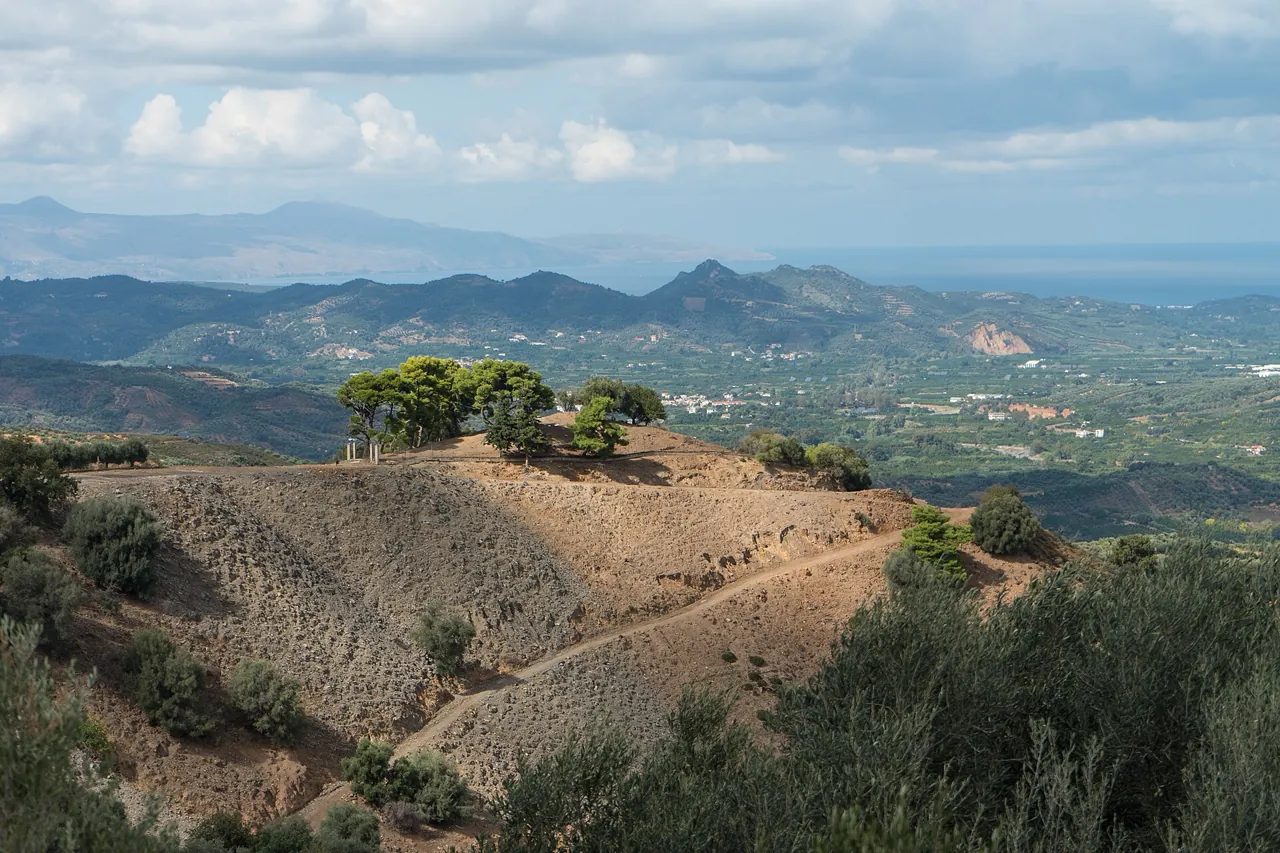
Driving in Crete is the easiest way to see the island, and most visitors manage it without trouble once they know a few local habits. This is the briefing we give our own guests when we hand over the keys - honest, practical and based on driving these roads every week.
Written by Siim-Sander- local travel expert in CreteUpdated 3 min read
Is driving in Crete difficult?
Not for a confident driver. The main roads are asphalt and generally in good condition. What takes getting used to is the local style: the hard-shoulder habit on the main highway, narrow village streets, tight mountain bends and scooters overtaking on both sides. Drive calmly, keep a safe distance and you will be fine.
The north-coast highway and the hard-shoulder habit
The main road (often called VOAK) runs along the north coast linking Chania, Rethymno, Heraklion, Hersonissos, Malia and Agios Nikolaos. Much of it is a single lane each way with a wide shoulder.
Slower cars move half onto the shoulder so faster traffic can pass in the middle - this is normal local practice
Only do it when the shoulder is clear; watch for parked cars, cyclists and people walking
Never overtake on solid lines or blind crests, even if locals do
Parts of the road are being rebuilt; expect roadworks and temporary lane changes
Mountain roads and hairpins
Inland and south-coast roads climb through the mountains. They are usually well surfaced but narrow, with blind hairpins and steep drops.
Sound the horn briefly before blind corners
Use a low gear and engine braking on long descents instead of riding the brakes
Expect goats, sheep and fallen rocks on the road
Add 30-40% to the time your map app suggests
Speed limits and key rules
Typical limits are 50 km/h in towns, 90 km/h on open roads and up to 110 km/h on sections of the highway - always follow the signs. Seat belts are compulsory front and rear, children need a suitable child seat, and using a phone while driving is not allowed. Greece has strict drink-driving limits with lower limits for new drivers, so the simple rule is: do not drink and drive.
Driving licence and age
An EU/EEA licence is enough. Drivers with a licence from outside the EU should check whether they also need an International Driving Permit and bring it if so.
Minimum driver age is 18
Drivers under 21 are welcome - a small young-driver surcharge applies, confirmed in your quote
An additional driver costs €4 per day
Bring your licence and passport or ID card to the handover
Gravel roads: where rental cars cannot go
Map apps happily send you onto dirt tracks. Rental cars must stay on paved roads, and insurance does not cover unpaved roads. The best-known example is the gravel road to Balos lagoon - take the boat from Kissamos port instead.
Fuel and petrol stations
Stations are frequent along the coast but scarce in the mountains, so fill up before heading inland and never drop below a quarter tank there. Most stations are attended - you can simply say "full, unleaded, please". Cash and cards are widely accepted, but some small village stations close in the evening and on Sundays. Return the car with the same fuel level you received it with.
Parking in towns
Chania old town, Rethymno and central Heraklion are busy and the old centres are largely pedestrian. Use paid car parks on the edge of the centre and walk in. Never park on yellow lines or in front of garages - fines and towing do happen.
Automatic or manual?
If you are not used to manual gears on steep hills, choose an automatic. It makes mountain roads and town traffic far more relaxed. Automatics are popular in summer, so request one early.
Insurance that actually matters
Our rentals include FCDW and WUG with zero excess for covered damage and no deposit. Exclusions still apply, including off-asphalt driving, unregistered drivers, intoxicated driving and interior damage not caused in an accident. Reckless use can leave you responsible. Read the complete rental terms before confirming.
Typical driving times
Distances look short, but roads are slower than they look.
Heraklion Airport to Hersonissos: about 25-30 min
Heraklion to Chania: about 2 h 15 min
Heraklion to Agios Nikolaos: about 1 h
Heraklion to Matala: about 1 h 15 min
Chania to Elafonissi: about 1 h 45 min
Driving in Crete: Roads, Rules and Local Tips
FAQ
Is it safe to drive in Crete?+
Yes, for a calm and attentive driver. Roads are generally in good condition; the main risks are tight mountain bends, overtaking scooters and drivers using the hard shoulder unexpectedly.
Which side of the road do they drive on in Crete?+
On the right, as in the rest of continental Europe. Cars are left-hand drive.
Do I need an International Driving Permit in Crete?+
Not with an EU/EEA licence. With a licence from outside the EU, check whether an International Driving Permit is required for your country and bring one if it is.
Can I drive in Crete at 18?+
Yes. The minimum age is 18 and drivers under 21 are welcome; a small young-driver surcharge applies and is confirmed in your quote.
Should I rent an automatic car in Crete?+
If you are not completely comfortable with manual gears on steep hills, yes. Request it early in summer as automatics are popular.
Can I take a rental car on gravel roads?+
No. Rental cars must stay on paved roads and insurance does not apply on unpaved roads such as the track to Balos.